Mental Health &
Social Media
Teenagers today are navigating a far more complex world than I ever did. This is reflected in the enormous increase in mental health challenges over the last two decades. We have seen a dramatic rise in conditions such as anxiety, depression, low self-esteem, self-harm, intrusive thoughts and suicidal ideation, to name but a few.
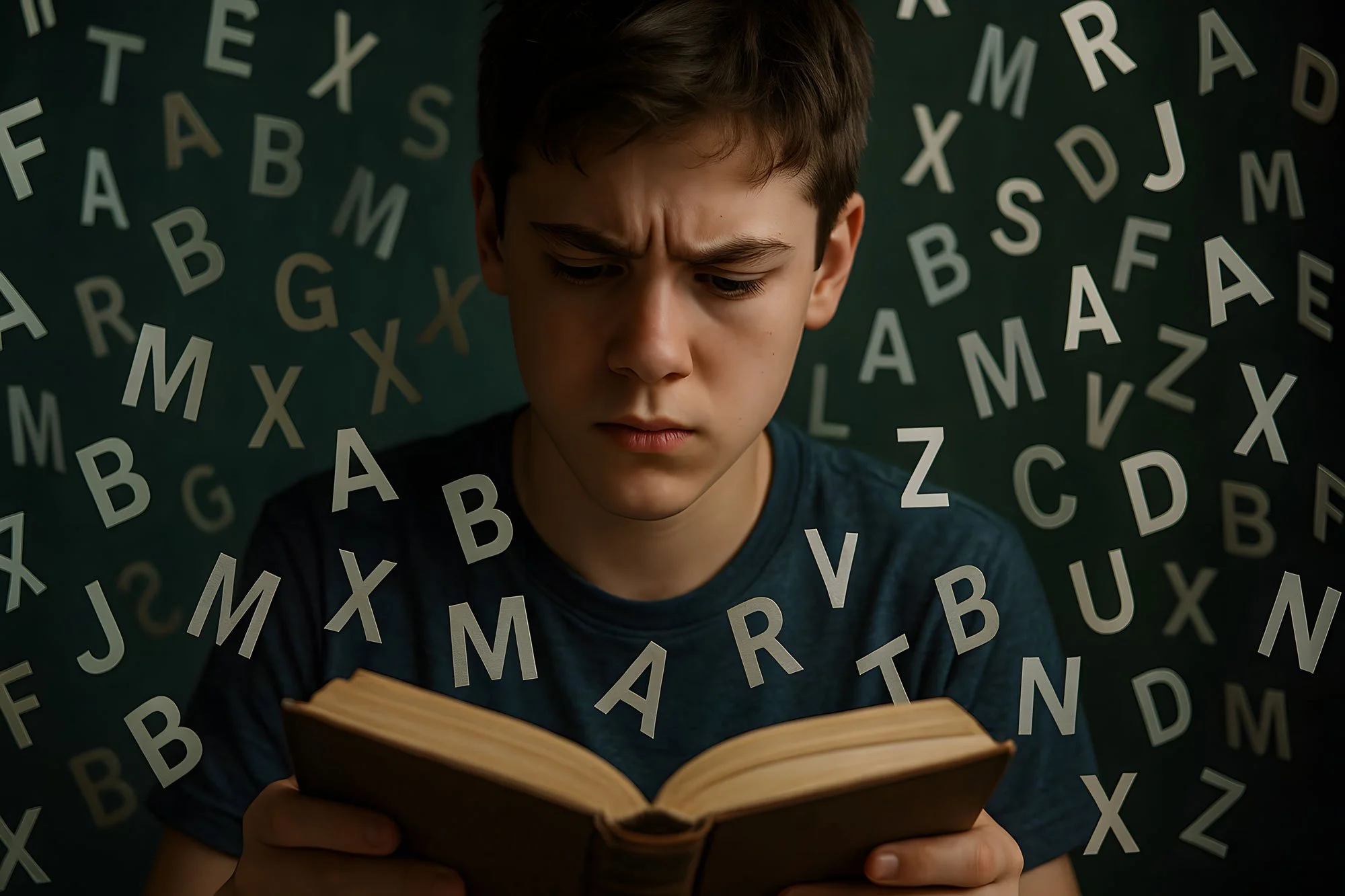
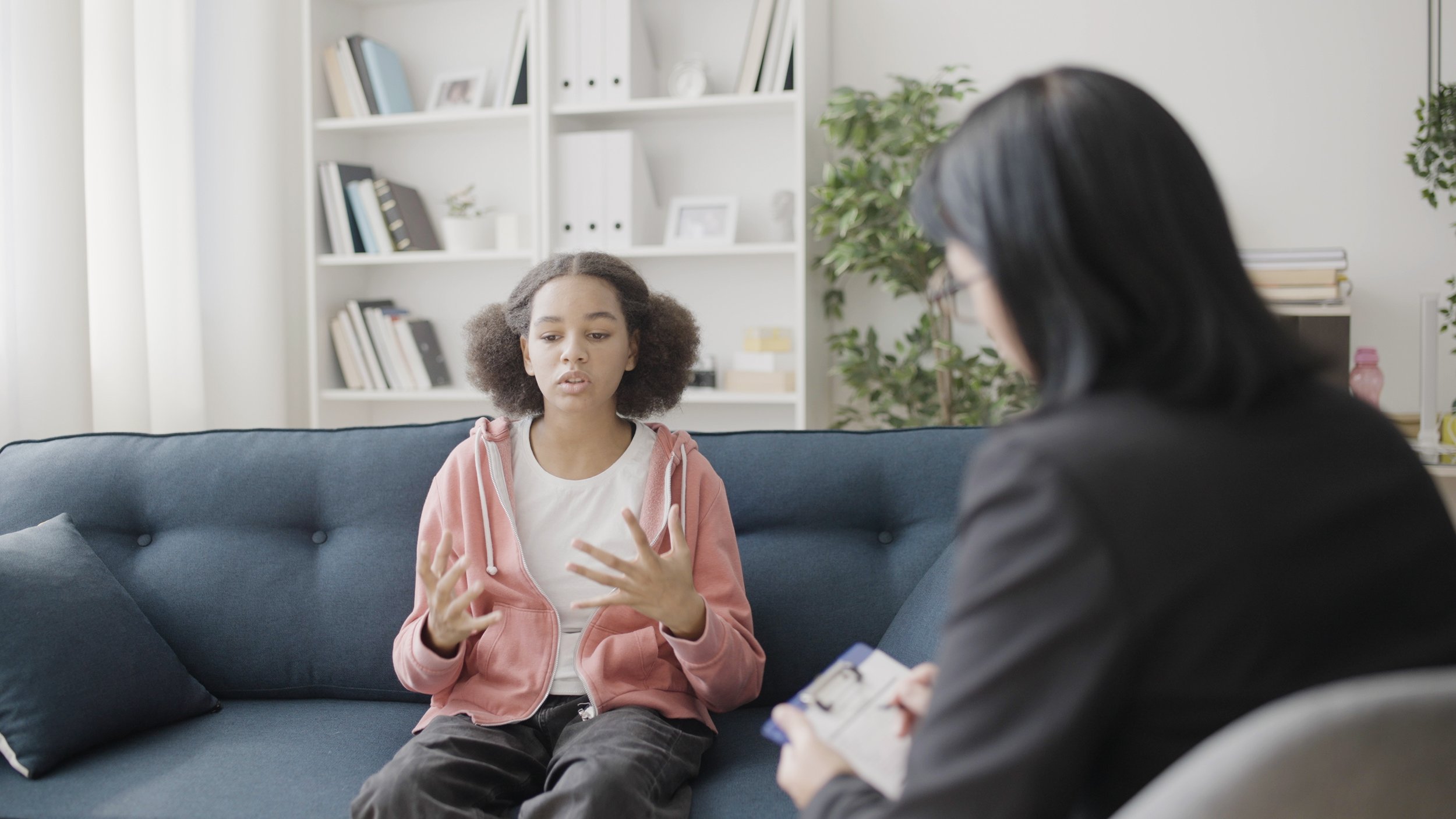
Young people with SEN or mental health needs are often missed or overlooked. The support they need comes too late, if at all. Many will report being misdiagnosed at least once, often various times prior to actually coming to an understanding of what challenges they’re really facing.
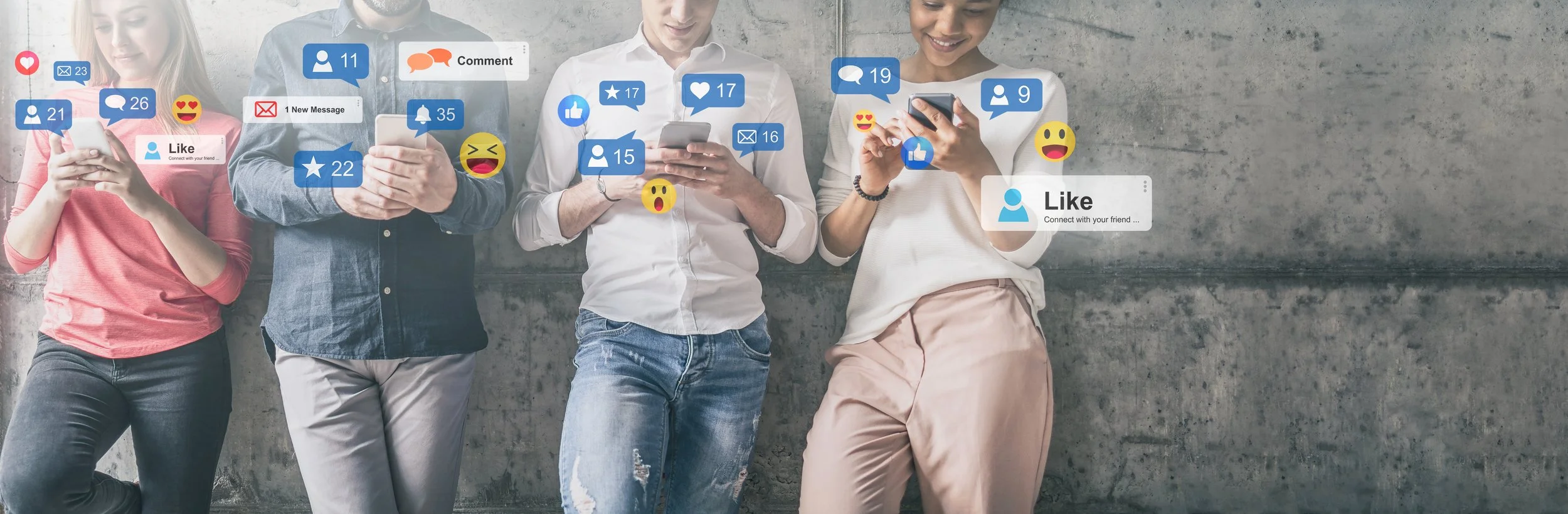
There is no doubt that a major contributing factor to today’s crisis is social media which, for many young people, has replaced face-to-face interaction, altering the way they communicate and develop and often creating a sense of isolation. This shift away from relaxed contact with family and friends not only distorts the way we see the world but also deprives us of opportunities to create meaningful and positive relationships with people who can fight our corner and champion our cause.
Relying on social media for a sense of "normal" often leads to disappointment and feelings of failure. People post what they want to project and more often than not this is an unrealistic and idyllic version of their lives. Constantly scrolling through "perfect" snapshots, such as idyllic holidays, triggers social comparison, which can result in negative thought patterns, inadequacy, and a distorted view of reality.